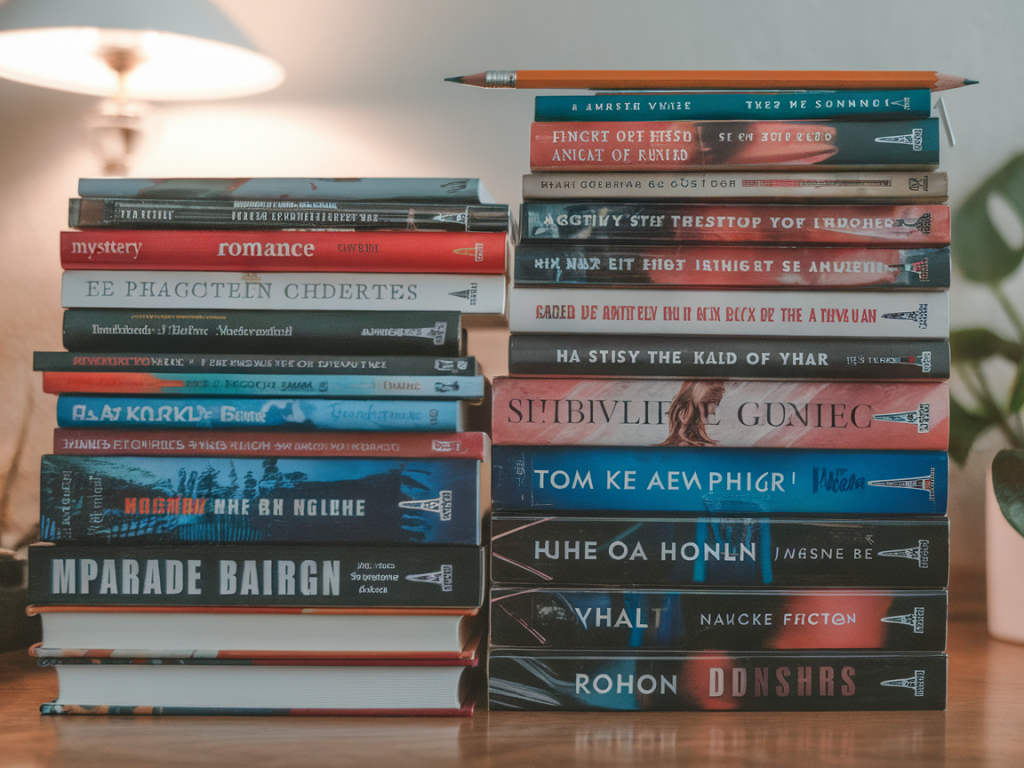
I found it once: a paperback tucked into the poetry shelf, its barcode worn, its author’s name faint. It had been misfiled—an accident, a whim, or the last reader’s secret—and that tiny error became the spark for a month-long reading route that changed the way I choose books. If you want to turn one misfiled paperback into four weeks of sustained reading momentum, here’s a practical, playful blueprint you can follow. It’s designed to be flexible, curious and gentle—perfect for readers who love getting lost rather than checking boxes.
Why start from a misfiled paperback?
A misfiled paperback is a serendipity engine. It removes the pressure of bestseller lists and algorithmic momentum, and it invites you to travel sideways through literature: to neighbouring themes, unexpected authors, and formats you might otherwise skip. Beginning from a “wrong” shelf gives permission to be exploratory and keeps your route exciting—every detour feels intentional rather than distracted.
How to pick your paperback (and what to notice first)
When you spot a misfiled book, don’t rush. Hold it, smell it, flip through the pages. Look for:
Choose the book that teases your curiosity, not the one you can justify. Curiosity is what keeps momentum alive.
Structure of the four-week route
The aim is not to read four novels in a month (though you might). It’s to create a reading spiral where each week has a focus: the central paperback, a contextual read, a short-form companion, and a creative-response task that keeps you thinking between chapters.
| Week | Focus | Companion Reads | Creative Task |
|---|---|---|---|
| Week 1 | Start the misfiled paperback | A short essay or interview about the author | One-page reading diary entry |
| Week 2 | Contextual exploration (theme or place) | A novella or a handful of linked short stories | Create a playlist for the book |
| Week 3 | Author deepening (other work or criticism) | Translation, criticism, or a related memoir | Write a letter to the book or author |
| Week 4 | Cross-pollination (a surprising pairing) | A genre pivot—something far from the original book | Assemble a mini reading guide |
Week-by-week breakdown
Week 1 — Get intimate with the paperback. Read to understand the book’s voice and architecture. Aim for three or four focused sessions over the week rather than marathon reading. While you read, keep a small Moleskine or digital note (I like Goodreads for logging, but a physical notebook captures fragments better) and jot down: images that recur, phrases you want to quote, and one central question the book asks you.
Companion: find a short interview, foreword or review about the author or book. These are quick context-builders that enrich your comprehension without spoiling surprises.
Task: write a one-page diary entry describing your first impressions—what surprised you, what you love, and what you suspect the book wants to do.
Week 2 — Map the landscape. Identify a theme, place or mood in the paperback: exile, a seaside town, social claustrophobia, a small industry, etc. Choose a short novel or linked stories that enlarge that world. I often pick a novella (Chekhov, Sjón, or a recent one from And Other Stories) because it’s immersive but not exhausting.
Companion: add a short story or essay from an author who shares that space—or a travel writing piece if place matters.
Task: build a two-hour playlist on Spotify or Apple Music that captures the book’s mood. The act of pairing music with prose is oddly clarifying; it makes themes audible and keeps you returning to the book between reading sessions.
Week 3 — Follow the author’s trail. If the misfiled paperback is by an author with other works, grab a novella, a translated piece, or a critical essay on their craft. If the author is obscure, look for a memoir or biography of a contemporary figure, or criticism that situates the text historically.
Companion: a critical essay from a journal or a podcast episode interview. Podcasts like The Guardian Books Podcast or New Yorker Fiction can be quick, accessible resources.
Task: write a letter to the book or the author—what you would ask them about this text, where you’d invite them to read next. It’s a small commitment that deepens attention and creates a private conversation with the book.
Week 4 — Cross-pollinate and curate. Now introduce a surprising pairing. If the original paperback is intimate realist fiction, try a speculative novella or a poetry collection that refracts similar themes differently. The aim is to keep habit alive through novelty.
Companion: pick something short but formally distant—poems, comic essays, or a graphic novel.
Task: assemble a mini reading guide (3–5 titles) that starts with your misfiled paperback and branches out. Include a one-line reason for each pick; this is a lovely way to close the month and preserve momentum beyond it.
Practical tools and tiny rituals to keep momentum
Examples of delightful misfiled starting points
The fun begins when you realise each week’s choices are invitations rather than prescriptions. The route exists to stretch your curiosity, not to box it in. If you finish a week early, follow the thread that most intrigues you; if you need to slow down, do. A misfiled paperback changes the destination into a journey—and that, for me, is the whole point of reading.