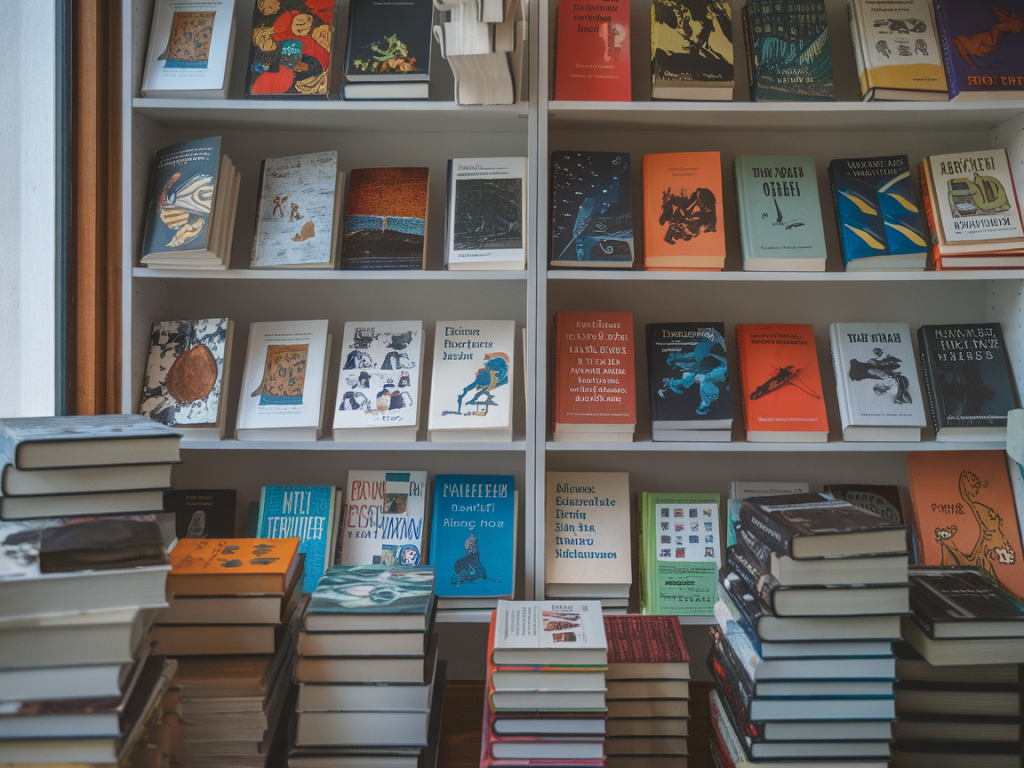
I often find the most thrilling reading discoveries not on bestseller lists but tucked into slim volumes, unusual covers and back-catalogues from independent publishers who keep faith with experiments, marginal voices and editorial risk-taking. If you love being surprised—if you like to find a writer before everyone else does—following small presses is one of the best habits you can cultivate. Here’s a personal guide to the houses I return to, how I follow them, and practical tips for unearthing the overlooked contemporary fiction they publish.
Why small presses matter
Small presses do more than produce books; they curate. They choose projects based on taste, argument or cultural urgency rather than market inertia. That means more room for unusual narrative forms, translated work, debut writers and stories that complicate easy categorisation. I’ve seen novels with odd structures, hybrids of memoir and reportage, and quiet fictions from geographies underrepresented in mainstream Anglophone publishing—books that would never make it past a risk-averse acquisition meeting at a larger house.
Following small presses also gives you a different kind of reading pleasure: the sense of discovery and the joy of watching a writer’s career grow. Many of my most beloved reading routes started with a pamphlet or a short-run paperback that led me into a whole body of work.
Presses I recommend keeping an eye on
Below are presses I check often. I include a short note on what each tends to do best, plus a recent title or two that illustrates their taste. This isn’t exhaustive—just a map of places I’ve returned to with good fortune.
- Dalkey Archive Press (US) — Focus: experimental and international literature. Recent: reprints and contemporary work that pushes form. If you love formal daring and translation, Dalkey is essential.
- And Other Stories (UK) — Focus: international contemporary fiction, series of brilliant translations. Recent: succinct, well-curated novels that often win prizes. Their short, hand-crafted editions are a joy to collect.
- Granta Books (UK) — Focus: literary fiction and nonfiction with global reach. Recent: debut novels and writerly voices that bridge literary and cultural conversation.
- FSG Originals / MCD (US/UK) — Focus: innovative thinkers and literary debuts; MCD especially champions cross-genre voices. Expect surprising, carefully edited titles.
- Clinic / Fitzcarraldo Editions (UK) — Focus: translated European fiction and essays. Fitzcarraldo has a distinctive aesthetic and an interest in rigorous, idea-driven narratives.
- New Directions (US) — Focus: modernist heirs, poetry and serious translated fiction. Their list rewards readers who like formal intelligence and philosophical depth.
- Persea Books (US) — Focus: literary fiction, translation, and nonfiction with moral urgency. They publish quieter, sustained novels that linger.
- Charco Press (UK) — Focus: contemporary Latin American fiction in translation. They actively bring up-and-coming writers to English readers.
- Transit Books (US) — Focus: translation and cross-cultural fiction. Small but punchy—many reads feel like intimate discoveries.
- Two Lines Press (US) — Focus: global literature and translation with a contemporary edge. They publish writers who complicate cultural narratives.
How I follow them—practical routes that work
I use a mix of direct and social strategies. Here’s what’s been effective for me:
- Subscribe to newsletters. Newsletters are the best way to catch new releases, essays, and sale information. Most small presses offer a short, curated newsletter that feels like a friend’s recommendation rather than an ad.
- Follow on social media selectively. Not all presses are equal on Twitter/Instagram, but many post previews, event notices and author interviews. I follow a rotating list and mute the rest—focus on the ones that regularly surface titles I love.
- Use your local independent bookshop. Independent booksellers often have direct relationships with small presses and can pre-order or source rare titles. I still enjoy the tactile pleasure of a bookseller’s recommendation.
- Watch prize lists and longlists. Small presses often appear on translation and debut lists (like the Women’s Prize, International Booker, or the Goldsmiths Prize). These lists are a shortcut to remarkable titles you might otherwise miss.
- Read reviews in niche outlets. Journals like The London Review of Books, The White Review, and specialized blogs often review small-press work with care. I keep a feed of a few trusted reviewers whose tastes align with mine.
How to decide which press is “for you”
Ask yourself what you most want from fiction right now. Are you hungry for formal experimentation? Seek translated voices from a particular region? Prefer quiet domestic forms with moral depth? Different presses cultivate different sensibilities.
If you like structural experimentation, prioritise Dalkey Archive, New Directions or Fitzcarraldo. If translation and new languages excite you, look at And Other Stories, Charco Press or Two Lines Press. If you love rigorous cultural essays and novels that converse with ideas, try FSG/MCD or Granta.
Ways to support small presses (beyond buying books)
Small presses thrive when readers do a little extra. Here are things I try to do:
- Write reviews: A short Goodreads entry, a review on a bookseller site, or a mention on social media helps more than you might think.
- Request titles from your library: Libraries ordering from small presses make a huge difference in a book’s visibility and longevity.
- Attend events: Readings, panels and online launches directly support publishers and help you meet writers earlier in their careers.
- Gift their books: Books from small presses make thoughtful presents that introduce other readers to different aesthetic angles.
How I keep from feeling overwhelmed
There are so many small presses now that it can feel impossible to keep up. I practice gentle curation: I pick a handful of presses to follow intensely for a year, then rotate. That way I can actually read what they publish rather than collecting announcements like badges of virtue. Another trick is to commit to one translation a month or one debut every six weeks—small rituals that turn discovery into readable habits.
Quick reference table
| Press | Country | Focus |
|---|---|---|
| Dalkey Archive Press | US | Experimental & translated literature |
| And Other Stories | UK | International contemporary fiction & translation |
| Fitzcarraldo Editions | UK | Translation & idea-driven fiction/essays |
| Charco Press | UK | Contemporary Latin American fiction in translation |
Follow a few of these channels and you’ll soon have a small pile of unexpected reads on your bedside table. For me, that slow accretion of surprising titles is what keeps reading endlessly rewarding—books that, once discovered, feel like secrets worth sharing.