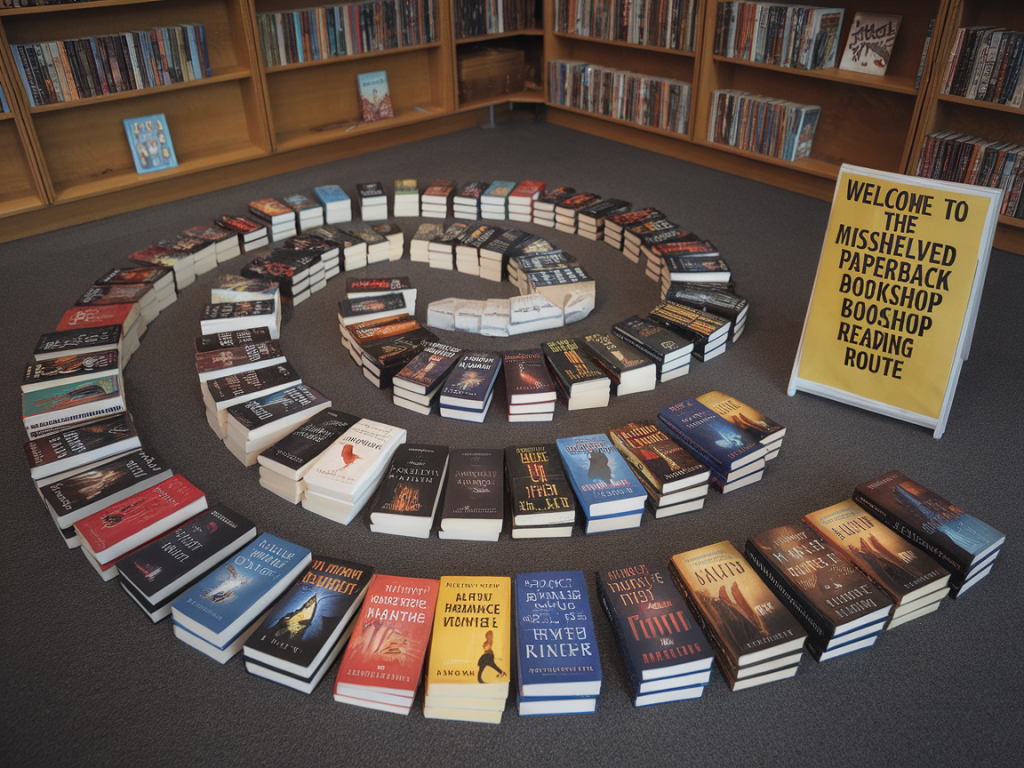
I once found a slim paperback wedged between gardening manuals and a stack of local history at a tiny bookshop on a rainy Wednesday. Its spine was creased in a very particular way that suggested someone had loved it and then left it. The cover was unremarkable, the title unfamiliar. I bought it for a pound, read it on the train, and a month later I had built a whole reading route around that single mis-shelved treasure. If you enjoy wandering bookshops and following curiosities where they lead, here’s a practical, pleasure-first method for turning a mis-shelved paperback into a rich, month-long reading adventure.
Step one: let the mis-shelved book be your compass
The first rule is obvious but important: don’t dismiss the book because it looks odd in its surroundings. Mis-shelved books are often the most interesting because they’ve already been misread by someone else. Ask yourself a few quick questions while you’re still in the shop:
These impressions will become the axis around which you build your route. For example, if the book is a mid-century novel about migration but it was found in travel guides, your route might explore movement—literal journeys, emotional displacements and narratives of belonging.
Design a four-week structure
I like to divide a month into four thematic weeks: surface, context, companion texts, and reflection. This gives variety without overwhelming you, and it’s flexible enough to work whether your mis-shelved find is 120 or 400 pages.
Choosing companions that amplify the original
Companion texts should feel like conversation partners rather than repeats. If your mis-shelved paperback touches on exile, pick one memoir and one work of speculative fiction that refracts the theme differently. If it’s a genre mystery misplaced among poetry, choose one canonical detective story and one contemporary short story collection that subverts the form.
Practical tips:
Daily and weekly reading targets that feel achievable
Big reading projects fail when they feel like homework. I prefer small, non-judgemental targets. Here’s a gentle schedule:
Track these on a simple paper planner or a notes app. Use a bookmark you like—oddly, a bright ribbon or a vintage postcard makes the habit feel treat-like.
How to keep the reading route intimate and investigative
This is where I get excited. Treat the route like a little investigation. Ask questions as you go and follow the leads.
Use local resources and the shop that gave you the find
Return to the bookshop or local library. Tell the bookseller about your plan—many independents love that kind of project and will happily recommend companions. If the shop has a newsletter or social account, your route could even inspire a communal reading. Libraries often provide access to journals and ebooks that your pocket paperback doesn’t.
Build textures: music, food, and places
Reading routes are richer when the senses are involved. Think of one sensory pairing per week:
These small rituals make the route feel like an expedition rather than a reading schedule.
Share and adapt: how to involve others
You don’t have to do a month-long route alone. Invite a friend to read the mis-shelved paperback with you, or open the project to your social media followers with daily micro-updates—quotes, photos, short reflections. If you run a newsletter, a weekly digest and a single reflective essay at the end of the month are lovely ways to close the loop.
When your route diverges: permission to wander
One of the pleasures of this method is that it rewards curiosity. If a companion text sends you down a three-week detour, let it. The aim is not to finish by day 30 but to sustain a month’s worth of enquiry that changes how you think about the original book. If you need structure, schedule an extra catch-up weekend at the end of the month to collect your thoughts and re-anchor.
Record your discoveries
At the end of your month, gather what you’ve learned into something portable: a one-page review, a photo series, or a short thread of micro-essays. I keep a folder—physical and digital—labelled by month and title. The act of assembling your notes is part of the pleasure: it turns stray impressions into a small, shareable treasure.
Finally, remember that mis-shelved books are proof that stories migrate and survive by accident as well as design. They offer odd beginnings and generous surprises. Treat your month-long route like a walk in a neighbourhood you’ve only just discovered: curiosity first, maps second, and above all, room for the unexpected.