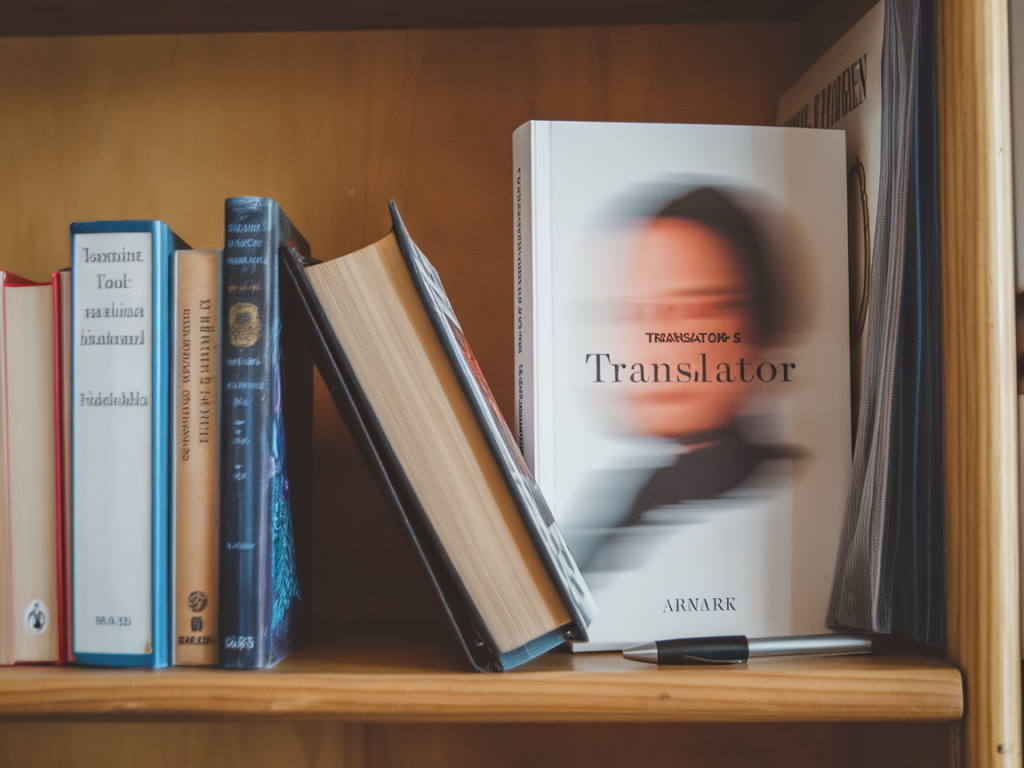
I still remember the small thrill of picking up a paperback with a cover I didn’t recognise, reading the back blurb, and feeling certain I’d stumbled on something quietly brilliant. Too often, though, those pleasures are complicated by translation: a great book tucked away behind a bland blurb, a thin translator credit, or baffling notes. Over the years I’ve learnt to read the peripheral bits of a book—the blurbs, the translator’s name, the front- and back-matter—as clues. They tell you not just what a book says on the page, but how it arrived in your language and whether it has been given a fair shot at finding readers.
Why the small stuff matters
We tend to judge a translated book by the visible parts: the cover, the publisher, maybe a prize sticker. But the small print is often more revealing. A blurb can be marketing varnish, yes, but it can also indicate whether an editor engaged with the text in a way that respects its specific rhythms and cultural references. Translator credit—its prominence and the name itself—says a lot about the publisher’s investment. Translator’s notes and afterwords can open up a book’s choices and problems in ways that change your reading.
Reading the blurb like a reader and a detective
Blurbs are designed to sell, but they are also shorthand for how a book is being positioned. When you read one, look for these things:
The translator’s name isn’t an accidental detail
I’ve lost count of the times a translator’s name has been the best indicator of a faithful, lively translation. Translators are readers with craft; many also have a body of work you can follow.
Translator’s notes and afterwords: what to watch for
Not every translation needs a translator’s note, but when there is one, it can be a resource. A useful note will talk about:
Beware of notes that are defensive (over-explaining why something “had to” be changed) or absent when the text clearly raises questions. Both can indicate a publication that hasn’t prioritised translator-reader dialogue.
Where publisher details and paratexts lead you
Indies and university presses often give translations more contextual apparatus—introductions, helpful endnotes, an editor’s preface—than larger houses, and that extra framing matters. When you’re evaluating an unfamiliar translation, check for:
Practical steps when browsing or buying
Here are some things I do—often unconsciously—before committing to a translation:
When a translation is “overlooked” and why that happens
Books get overlooked for many reasons: marketing budgets, timing, or the translator’s anonymity. But a translation can also be overlooked because its framing misrepresents it—flattening a novel’s originality or erasing cultural particularities. Spotting these signals can save you from missing a brilliant writer, and it can help you advocate for finer translation practices: by leaving thoughtful reviews, by mentioning the translator by name in social posts, or by recommending the book to fellow readers and local bookshops.
Learning to read blurbs, translator credits, and ancillary notes is a small, practical skill—one that deepens your pleasure and helps rescued books find readers. It’s part curiosity, part scepticism, and part respect for the invisible labour that brings literature across languages. Next time you find a translation with a sparse blurb or a tucked-away translator’s name, take an extra minute. You might be on the edge of a quiet discovery.